
Japanese balcony table folding offers a unique blend of aesthetic appeal and functional practicality, perfectly suited for maximizing small outdoor spaces. These meticulously crafted tables seamlessly integrate traditional Japanese design with modern functionality, providing a sophisticated and space-saving solution for balconies, patios, and gardens. Their compact folding design allows for effortless storage and transportation, while their elegant aesthetic enhances any outdoor setting.
This comprehensive guide delves into the specifics of Japanese balcony table folding, exploring design elements, materials, maintenance, and practical applications. From the unique folding mechanisms to the symbolic value embedded in their design, we uncover the nuances of these versatile outdoor furniture pieces.
Overview of Folding Japanese Balcony Tables

Folding Japanese balcony tables, a cornerstone of Japanese outdoor living, offer a unique blend of practicality and aesthetic appeal. Their compact design allows for seamless integration into limited spaces, making them ideal for balconies, patios, and small gardens. These tables, often crafted with a focus on natural materials, reflect a deep-rooted appreciation for simplicity and functionality.Japanese design philosophy often prioritizes multi-functional items that seamlessly integrate into the surrounding environment.
Folding balcony tables embody this principle, offering both convenience and an elegant aesthetic when not in use. Their design is often influenced by traditional Japanese carpentry techniques, ensuring durability and longevity.
Design Features
Folding Japanese balcony tables typically feature a simple, elegant design. The folding mechanism is often integrated into the table’s structure, ensuring a secure and smooth operation. This design allows for effortless transition between use and storage, maximizing space utilization. The tables are often lightweight yet robust, making them easy to move around. Many models incorporate a small footprint, crucial for limited balcony spaces.
Materials and Construction
These tables frequently utilize natural materials like wood, bamboo, or even metal. Wood, particularly hardwoods like cedar or oak, is valued for its strength, durability, and natural beauty. Bamboo, known for its lightweight nature, is another popular choice, offering a visually appealing and sustainable alternative. Metal, often aluminum or stainless steel, provides a strong and low-maintenance option.
The choice of material often aligns with the desired aesthetic and the intended use. For example, cedar is commonly chosen for its subtle scent and warm appearance, while bamboo provides a more minimalist and modern aesthetic. The materials used in construction often reflect the emphasis on natural elements in Japanese design.
Advantages and Disadvantages
Folding Japanese balcony tables offer several advantages. Their compact design allows for space-saving storage, while the lightweight nature facilitates easy movement. Their aesthetic often complements Japanese-style gardens and balconies. However, some disadvantages include the potential for less stability compared to larger, fixed tables, and variations in quality depending on the manufacturer. Furthermore, the price point can sometimes be higher compared to simpler folding tables.
Careful consideration of the trade-offs between practicality, aesthetics, and budget is necessary.
Cultural Significance
The use of folding balcony tables in Japanese design reflects a deep-rooted appreciation for practicality and aesthetics. These tables are often seen as integral to the overall experience of enjoying the outdoor space. The simple, uncluttered design aligns with the Japanese concept of侘び寂び (wabi-sabi)*, which embraces imperfection and the beauty of impermanence. This aesthetic sensibility is evident in the design and construction of these tables, which often emphasize natural materials and understated elegance.
Comparison of Different Types
| Type | Size | Material | Price (USD) |
|---|---|---|---|
| Compact Folding Table | Small | Bamboo | $50-$150 |
| Mid-Sized Folding Table | Medium | Cedar | $150-$300 |
| Large Folding Table | Large | Aluminum | $300-$600 |
This table provides a basic comparison of various folding balcony tables, showcasing the range in size, material, and price. Note that prices can vary significantly based on the specific manufacturer, features, and the market.
Features and Design Elements
Japanese balcony tables, prized for their space-saving design and aesthetic appeal, are crafted with meticulous attention to detail. Their folding mechanisms and compact dimensions make them ideal for maximizing limited balcony space while maintaining a clean, uncluttered aesthetic. This precision-engineered approach translates into both practicality and elegance.The core design philosophy of these tables revolves around their adaptability and efficiency.
Their foldable nature allows for easy storage and transport, minimizing the footprint when not in use. Beyond the practical considerations, their often minimalist design integrates seamlessly with the Japanese architectural style, complementing the overall aesthetic of the outdoor space.
Folding Mechanisms
The folding mechanisms of Japanese balcony tables are crucial to their functionality and space-saving nature. These mechanisms vary in complexity, ranging from simple, single-hinge designs to more intricate multi-hinge systems. The choice of mechanism impacts the table’s overall weight, durability, and the ease of folding and unfolding.
- Single-Hinge Mechanisms: These mechanisms utilize a single hinge to fold the table top. While simpler, they often lack the stability of multi-hinge designs. This simplicity translates into a lower cost and quicker assembly. However, single-hinge designs might not be suitable for heavy-duty use or larger tables.
- Multi-Hinge Mechanisms: These mechanisms employ multiple hinges to support a larger table top and enhance stability. They often provide a more robust and secure folding action, although they might be more intricate and potentially increase the cost. This design choice offers greater stability, which is vital for outdoor use.
- Hydraulic or Gas-Spring Mechanisms: For heavier tables, hydraulic or gas-spring assisted mechanisms are employed. These systems assist in lifting and folding the table top, reducing the effort required by the user. This feature is particularly beneficial for tables with substantial dimensions or those used frequently.
Sizes and Dimensions
The available sizes and dimensions of Japanese balcony tables are tailored to accommodate different balcony sizes and usage requirements. Standard dimensions typically range from compact designs suitable for small balconies to larger models for more spacious outdoor areas.
- Small Tables (typically under 30 inches in length): Ideal for smaller balconies, these tables offer compact storage and portability. These are often used for placing beverages, small meals, or potted plants.
- Medium Tables (30-48 inches in length): These tables provide a balance between compactness and functionality, suitable for accommodating a light meal for two or a few drinks. These are more suitable for balconies with a moderate amount of space.
- Large Tables (over 48 inches in length): Larger models, often with multiple extensions or components, are best for larger balconies or those needing space for larger gatherings. These tables can support larger gatherings, suitable for balconies designed for outdoor dining.
Stability and Safety Features
Stability and safety are paramount when choosing a balcony table. Factors like the table’s base design, the material used, and the folding mechanism all play a role in ensuring a secure and stable platform. Robust designs are crucial to prevent accidents, especially in outdoor settings.
- Base Design: The base of the table is critical for stability. Wider bases, particularly those with multiple support points, offer enhanced stability. Consideration should be given to the type of flooring or surface on the balcony to ensure the table is appropriately anchored.
- Material Quality: The material used in the table construction significantly impacts its stability. Sturdy materials like hardwood or reinforced composites provide a secure platform for outdoor use. Consider the weather conditions the table will be exposed to.
- Anti-Tip Mechanisms: Advanced tables may include anti-tip mechanisms to further enhance safety. These devices, often integrated into the base, provide an extra layer of protection against accidental tipping.
Folding Styles and Mechanisms
The different folding styles and mechanisms of Japanese balcony tables provide a range of options to suit specific needs and preferences.
| Folding Mechanism | Strengths | Weaknesses |
|---|---|---|
| Single-Hinge | Simple, Inexpensive | Limited Stability, Not Suitable for Large Sizes |
| Multi-Hinge | Enhanced Stability, Larger Sizes Possible | More Complex, Potentially Higher Cost |
| Hydraulic/Gas-Spring | Effortless Folding, Suitable for Heavy Tables | Potential Maintenance, Higher Cost |
Materials and Construction
Japanese balcony tables, prized for their aesthetic appeal and practicality, often feature a delicate balance of form and function. The materials selected, from the wood grain to the metal finish, directly influence the table’s durability, maintenance requirements, and ultimately, its longevity. The craftsmanship employed in their construction is a testament to traditional techniques and a commitment to quality.The selection of materials for these tables reflects a conscious consideration of aesthetic, functional, and environmental factors.
The inherent properties of each material—from the strength of wood to the resilience of metal—play a critical role in determining the table’s overall performance and visual appeal. Moreover, the choice of sustainable materials contributes to the table’s environmental footprint, demonstrating a commitment to responsible manufacturing.
Common Materials
The common materials used in constructing Japanese balcony tables include wood, bamboo, and metal. Each material presents unique characteristics that influence the table’s design and application. Wood, with its natural beauty and versatility, is frequently employed for its warmth and aesthetic appeal. Bamboo, known for its strength and lightweight nature, offers a sustainable alternative. Metal, often stainless steel or aluminum, is used for its durability and ability to withstand harsh weather conditions.
Durability and Maintenance
The durability of a Japanese balcony table is directly correlated to the material used. Wood, while beautiful, requires regular maintenance, including sealing and occasional refinishing to prevent warping and decay, especially in humid environments. Bamboo, with its inherent strength and density, is more resistant to moisture and decay, demanding less frequent maintenance. Metal, particularly stainless steel, boasts exceptional durability and requires minimal maintenance, making it ideal for outdoor use.
Manufacturing Processes
The craftsmanship behind these tables is a hallmark of Japanese manufacturing. Traditional woodworking techniques, passed down through generations, often involve meticulous joinery and hand-finishing. Bamboo, frequently employed in the construction of frames, often utilizes specialized techniques to ensure stability and longevity. Metal components are typically precisely machined and welded to achieve structural integrity and a polished finish.
The focus on craftsmanship ensures that the tables not only function well but also retain their aesthetic appeal for years.
Sustainable Materials
The rising concern for environmental sustainability has influenced the selection of materials for Japanese balcony tables. Bamboo, a rapidly renewable resource, is gaining popularity as an eco-friendly alternative to wood. Manufacturers are increasingly incorporating recycled or reclaimed wood into their designs, reducing their environmental impact. Metal, especially aluminum, is also being scrutinized for its recycling potential.
Material Comparison
| Material | Pros | Cons |
|---|---|---|
| Wood | Natural beauty, warmth, versatility | Requires regular maintenance, susceptible to decay and warping |
| Bamboo | Strength, lightweight, sustainable, low maintenance | Can be more expensive than wood, may require special treatments |
| Metal (Stainless Steel/Aluminum) | Exceptional durability, low maintenance, resistant to weather | Can be less aesthetically appealing than wood or bamboo, potentially colder to the touch |
Maintenance and Care
Japanese balcony folding tables, prized for their space-saving design and aesthetic appeal, require diligent maintenance to retain their beauty and longevity. Proper cleaning and preventative measures are crucial to preserving the structural integrity and finish of these tables, ensuring years of enjoyment. Ignoring these aspects can lead to premature wear, damage, and reduced functionality.Maintaining these tables involves more than just occasional cleaning; it encompasses a proactive approach to protect them from the elements and everyday use.
Regular inspection and timely addressing of minor issues are key to extending their lifespan.
Cleaning Procedures
Regular cleaning prevents the accumulation of dirt, grime, and stains, preserving the table’s original finish. Using the correct cleaning agents and methods is critical to avoiding damage. Harsh chemicals or abrasive materials can scratch or discolor the surface.
- Gentle Cleaning Solutions: Mild dish soap and warm water are often sufficient for daily maintenance. For stubborn stains, a mixture of mild detergent and warm water, applied gently with a soft cloth, can effectively remove dirt and grime without harming the surface. Avoid using abrasive cleaners or scouring pads that could scratch the table’s finish.
- Drying Techniques: After cleaning, thoroughly dry the table with a soft, lint-free cloth to prevent water spots or streaks. Allow the table to air dry completely before putting it back into use.
- Spot Cleaning: For spills or sticky substances, act quickly. Blot the area with a clean cloth to absorb the liquid or substance. Avoid rubbing, as this can spread the stain or damage the surface. If necessary, use a gentle cleaning solution as mentioned above.
Preventing Damage
Proactive measures are essential in preventing damage to these tables. Proper storage and handling are crucial in preserving their condition and avoiding unnecessary wear and tear.
- Storage Considerations: When not in use, store the table in a dry, clean location. Protect it from direct sunlight, moisture, and extreme temperatures. Consider using a protective cover to shield the table from dust and other environmental factors.
- Handling Precautions: Avoid dropping or placing heavy objects on the table. Lift and carry the table carefully, supporting its weight evenly to prevent warping or bending.
- Protective Measures: Use coasters or placemats under items to prevent scratches and spills from damaging the table’s surface. Consider using a clear protective coating (if appropriate for the material) to enhance the table’s durability and resistance to wear and tear.
Protecting from Weather Elements
Outdoor Japanese balcony tables are susceptible to the elements. Taking preventive measures will ensure their long-term usability and appearance.
- Protecting from Rain and Moisture: Store the table indoors during periods of heavy rain or when prolonged exposure to moisture is anticipated. If the table is left outdoors, ensure proper drainage and ventilation to prevent water damage.
- UV Protection: Prolonged exposure to direct sunlight can fade or damage the finish of the table. Consider using a UV-resistant protective cover, especially during extended periods of sunlight.
- Protecting from Extreme Temperatures: Avoid leaving the table in direct sunlight or extreme cold, as this can cause warping or cracking. Store the table in a climate-controlled environment if possible.
Importance of Regular Maintenance
Regular maintenance is critical for the longevity and optimal functionality of the table. This includes visual inspection and addressing any potential issues early.
- Visual Inspection: Regularly inspect the table for any signs of damage, such as scratches, dents, or loose components. Early detection of issues allows for timely repair or replacement of parts, preventing more significant damage.
- Addressing Minor Issues: Address any minor damage promptly to avoid more extensive repairs or replacements. This includes tightening loose screws, replacing damaged parts, or addressing signs of warping or bending.
Step-by-Step Cleaning Guide
This guide provides a structured approach to cleaning and maintaining your Japanese balcony folding table.
- Gather Supplies: Gather soft cloths, mild dish soap, warm water, and a clean bucket. Consider a gentle cleaning solution if needed for stubborn stains.
- Pre-Cleaning Inspection: Visually inspect the table for any obvious damage or debris. Note any stubborn stains or areas requiring extra attention.
- Gentle Cleaning: Apply a mixture of mild dish soap and warm water to a soft cloth. Gently wipe down the table’s surface, focusing on affected areas. Avoid harsh scrubbing.
- Drying: Use a clean, lint-free cloth to dry the table completely. Avoid leaving water spots or streaks.
- Post-Cleaning Inspection: Inspect the table for any remaining dirt or stains. If necessary, repeat the cleaning process. Check for any damage that may have occurred during cleaning.
Space-Saving Design

Japanese balcony tables excel at maximizing limited outdoor space. Their compact folding design transforms them from functional workspaces to virtually invisible storage solutions, ideal for balconies and patios where square footage is at a premium. This adaptability makes them a popular choice for urban living and smaller homes.Japanese balcony tables, owing to their innovative folding mechanisms, are uniquely suited to the demands of constrained spaces.
Their ability to collapse into a minimal footprint allows for seamless integration into small areas, transforming a busy balcony into a relaxed retreat in seconds. This space-saving feature, combined with their often lightweight construction, further enhances their appeal.
Folding Mechanism and Space Efficiency
The folding mechanism of these tables is a key component in their space-saving design. A well-designed folding mechanism allows the table to collapse almost entirely flat, minimizing its footprint and maximizing storage potential. This ingenious design, common across various models, enables users to seamlessly transition between using the table and storing it away. This contrasts sharply with traditional, non-folding tables, which often require dedicated space.
Suitability for Compact Balconies and Patios
These tables are perfectly suited for compact balconies and patios. Their ability to fold flat into a minimal footprint frees up valuable floor space when not in use. Imagine a small balcony with limited room for furniture. A folding table can be seamlessly integrated into this space, providing a dedicated workspace or dining area without compromising the available space.
This is particularly advantageous in urban environments where space is a premium.
Integration into Small Spaces
Several strategies can integrate these tables into small spaces effectively. For example, consider positioning the table against a wall or beneath a pergola. This can create a visually appealing arrangement, utilizing the available space to the maximum extent. Moreover, strategically placing the table near a railing can create a more spacious and open feel while still providing a functional work or dining area.
Consider a corner arrangement, maximizing a triangular or L-shaped balcony.
Example Table Design for Various Balcony Layouts
| Balcony Layout | Table Design | Space Efficiency |
|---|---|---|
| Small, rectangular balcony | A narrow, rectangular folding table. This table folds completely flat and can be stored under a wall-mounted storage unit or tucked into a corner. | Maximizes the width of the balcony. |
| L-shaped balcony | A corner-optimized folding table. The design incorporates a hinged or folding mechanism that allows for a compact storage configuration in the corner while expanding into a usable surface area. | Optimizes both corners, maximizing the usable space. |
| Balcony with a railing | A table with legs that allow for placing the table adjacent to the railing. The table can be extended or retracted to accommodate dining or work needs. | Provides both functionality and visual appeal, maximizing the space near the railing. |
The key to successful integration is careful planning and consideration of the available space.
Practical Applications
Folding Japanese balcony tables offer a sophisticated and space-saving solution for enhancing outdoor living areas. Their compact design seamlessly integrates into various outdoor settings, from bustling city balconies to serene garden retreats. The tables’ portability, combined with their attractive aesthetic, makes them a versatile choice for a wide range of activities.
Dining on the Balcony
Japanese balcony tables excel as dining platforms. Their folding mechanism allows for easy storage when not in use, maximizing space on balconies and patios. A compact table, easily tucked away, creates an unobstructed view and maximizes the usable area. Imagine a morning coffee on a sunny balcony, or a relaxed evening dinner, with the table swiftly deployed and folded away with ease.
Relaxation and Entertainment
These tables are not just for dining. Their flat surfaces and stability make them ideal for relaxation and entertainment. A book, a cup of tea, and a comfortable cushion transform a balcony into a tranquil retreat. Games like mahjong or shogi can be easily enjoyed on these tables, providing an interactive element to outdoor relaxation.
Gardens and Patios
In gardens and patios, the tables serve as a focal point for activities. A small folding table placed beside a flower bed or a tranquil water feature can add a touch of elegance. They can also be used to display plants, flowers, or decorative items, enhancing the visual appeal of the space. Imagine a small gathering with friends and family in a garden, using these tables to share food and drinks, or simply enjoy conversation.
Storage and Transportation
The folding feature is a crucial aspect of these tables’ practicality. When not in use, they can be easily folded and stored away, maximizing space and minimizing clutter. This portability makes them ideal for events, parties, or simply moving from one outdoor area to another. Their lightweight design makes transportation easy, allowing users to effortlessly take them to different outdoor locations.
Image Descriptions
- Balcony Dining: A compact, folding Japanese balcony table is neatly set up on a balcony overlooking a city skyline. A couple is seated at the table, enjoying a meal. The table’s minimal design complements the modern architecture, creating a sophisticated outdoor dining experience. The folding mechanism is clearly visible, showcasing its ease of storage.
- Garden Relaxation: A folding Japanese table is positioned in a tranquil garden setting. A person is seated at the table, reading a book, with a cup of tea beside them. The table sits near a lush green garden, providing a serene and peaceful atmosphere. The table’s folding mechanism is discreet, integrating seamlessly into the natural setting.
- Patio Entertainment: A group of friends is gathered around a folding Japanese table on a patio. The table is used for games and conversation. The space is well-lit, creating a lively atmosphere for socializing and entertainment. The table’s stability ensures that the games and drinks remain secure.
Aesthetic Considerations
Japanese balcony folding tables, beyond their practicality, offer a compelling aesthetic element that seamlessly integrates with various architectural styles. Their clean lines and compact design create a sense of order and sophistication, making them an attractive addition to both modern and traditional spaces. Their subtle elegance elevates the overall aesthetic experience of a balcony or outdoor living area.These tables are not just functional; they’re designed to enhance the visual appeal of the space they occupy.
Their aesthetic value lies in their ability to blend seamlessly with different architectural styles, complementing the overall design narrative.
Visual Impact and Architectural Integration
Japanese balcony folding tables are designed with a focus on visual harmony. Their minimalist design, often featuring smooth surfaces and carefully considered proportions, creates a serene and sophisticated atmosphere. The interplay of light and shadow, particularly on lacquered surfaces, adds depth and dimension to the overall aesthetic. This subtle play of light enhances the table’s visual appeal and elevates the ambience of the space.
The tables can complement a wide range of architectural styles, from modern and contemporary homes to traditional Japanese-inspired designs, and even rustic or cottage-style homes.
Color Options and Finishes
The color and finish options available for Japanese balcony folding tables are meticulously chosen to complement a variety of design palettes. Commonly available finishes include natural wood tones like cherry, maple, and oak, offering a warm and inviting aesthetic. Lacquered finishes in various shades, from deep browns to lighter grays and even subtle blues, allow for greater flexibility in design coordination.
These finishes can be matched to existing furniture or used as a focal point in the space.
Integration into Interior and Exterior Designs
The tables’ adaptability extends to various interior and exterior designs. On a balcony, they can be used for dining, relaxing, or displaying plants and decorative items. In a home’s interior, they can serve as a versatile surface for drinks, snacks, or even a temporary workspace. For example, in a modern minimalist living room, a light-colored lacquered table can provide a sleek contrast to white walls and furniture, highlighting the space’s clean lines.
In a traditional Japanese-style garden setting, a natural wood table can enhance the serenity and natural beauty of the environment.
Table of Color and Finish Options
| Color/Finish | Description | Suitability |
|---|---|---|
| Natural Cherry | Warm, inviting reddish-brown tones | Traditional and modern interiors; exterior spaces with natural elements |
| Lacquered Gray | Sophisticated, neutral tones | Modern, contemporary, and minimalist designs |
| Lacquered Deep Brown | Rich, elegant tones | Traditional interiors, transitional styles, and spaces seeking a warm ambiance |
| Maple | Light golden-brown tones | Modern, Scandinavian, and rustic-inspired designs |
| Natural Oak | Warm, light brown tones | Modern, contemporary, and traditional interiors; outdoor spaces |
Safety and Durability
Japanese balcony tables, prized for their aesthetic appeal and space-saving design, must also prioritize safety and durability. These tables, often used in high-traffic areas, require robust construction and meticulous attention to detail to prevent accidents and ensure longevity. Compromising on safety for aesthetics or cost is a risk that undermines the very purpose of these functional pieces of furniture.Robust construction and secure folding mechanisms are paramount for preventing accidents.
These features not only enhance the user experience but also contribute significantly to the longevity of the table. High-quality materials and meticulous craftsmanship are critical to ensure both safety and durability.
Safety Features in Design
The design of high-quality Japanese balcony tables incorporates several safety features. These features are designed to mitigate potential risks associated with the use and handling of the table, ensuring a secure and comfortable user experience. A well-designed folding mechanism, for instance, is crucial in preventing accidental deployment or collapse. The use of reinforced joints and strong materials is equally important.
Stable Construction and Secure Folding Mechanisms
Stable construction is fundamental to safety. This involves a strong frame, often made from hardwoods or aluminum alloys, capable of supporting the intended load. The folding mechanism, whether a simple hinge or a more complex system, must be designed with safety as a top priority. Tight tolerances and robust components ensure smooth and secure folding. A critical component of a safe design is the weight distribution of the table, which must ensure that the table remains stable when folded or unfolded.
Identifying High-Quality and Durable Tables
Recognizing high-quality, durable balcony tables involves several key factors. The materials used are crucial. Look for tables made from hardwood species known for their strength and stability. Aluminum or steel frames, when used, should show no signs of warping or damage. The folding mechanism should operate smoothly and without any play.
Check the table’s joints for reinforcement and the overall construction for sturdiness. A table with a visible, well-crafted design often indicates careful construction and attention to detail. Look for brands known for their commitment to quality and safety standards.
Tips for Ensuring User Safety
Safe use of Japanese balcony tables begins with proper understanding and adherence to the manufacturer’s instructions. The maximum weight capacity should never be exceeded. Avoid placing heavy objects on the table’s edges or in an unstable configuration. Ensure the table is properly folded before leaving it unattended. Users should be aware of the table’s stability on different surfaces, particularly on uneven or slippery surfaces.
Inspect the table regularly for any signs of damage, especially to the joints and hinges, and have it repaired immediately if necessary.
Comparative Analysis of Brand Safety Ratings
Unfortunately, publicly available safety ratings for Japanese balcony tables are scarce. While independent testing organizations sometimes assess similar products, specific brand ratings are not readily accessible. However, the reputation of the brand and their adherence to quality standards can serve as a proxy for safety. A strong brand reputation usually correlates with robust construction and a commitment to safety.
Consumer reviews can also provide valuable insights into the safety and durability of different brands.
| Brand | Reputation | Consumer Feedback (Summary) |
|---|---|---|
| Brand A | Excellent | Strong and durable, reliable folding mechanism |
| Brand B | Good | Solid construction, minor issues with folding mechanism |
| Brand C | Average | Mixed reviews, some reports of instability |
Market Trends and Future
Folding Japanese balcony tables are experiencing a surge in popularity, driven by a confluence of factors including the growing demand for space-saving solutions in urban living, a renewed focus on minimalist aesthetics, and the rising appeal of sustainable materials. This trend is likely to continue as consumers prioritize both functionality and design in their home furnishings.
Current Design Trends
The design of folding Japanese balcony tables is evolving to meet the needs of a diverse consumer base. Manufacturers are increasingly incorporating contemporary design elements, moving beyond traditional aesthetics to encompass modern styles. This includes experimentation with different materials, finishes, and color palettes to create tables that complement various interior design schemes. The trend emphasizes both the practicality of folding and the visual appeal of the table.
Potential for Innovation
Innovation in this product category lies in the integration of advanced materials, improved folding mechanisms, and smart design features. Lightweight yet durable materials like aluminum and bamboo are gaining traction, promising strength without compromising portability. The integration of smart features, such as automated folding mechanisms controlled by mobile apps or integrated charging capabilities, offers an exciting avenue for innovation.
These features not only enhance user experience but also cater to the growing demand for technology-integrated home solutions.
Adapting to Evolving Consumer Preferences
Consumers are increasingly seeking products that align with their environmental values and sustainable lifestyles. This trend extends to furniture, where the use of recycled or sustainably sourced materials is gaining significant momentum. Furthermore, the demand for customizable tables, allowing consumers to tailor the size, color, and features to their specific needs, is also rising. The ability to personalize these folding tables will enhance their appeal and utility.
Emerging Designs and Features
Several emerging designs and features are enhancing the functionality and appeal of folding Japanese balcony tables. The incorporation of integrated storage compartments beneath the table top, offering convenient space for accessories or small items, is becoming more common. Another promising trend is the development of tables with integrated lighting systems, creating a warm and inviting atmosphere on balconies or patios.
Additionally, there’s a push towards more intricate folding mechanisms, enabling quick and effortless deployment. These features contribute to both the practicality and aesthetic appeal of the tables.
Predicted Future Trends and Features
| Trend | Feature | Rationale |
|---|---|---|
| Integration of Sustainable Materials | Tables made from recycled plastics, bamboo, or reclaimed wood. | Meeting consumer demand for environmentally conscious products. |
| Smart Functionality | Tables with Bluetooth connectivity, app control for folding/unfolding, and integrated lighting. | Catering to the rising popularity of smart home technologies and enhancing user experience. |
| Modular Designs | Tables with interchangeable tabletops or adjustable heights. | Allowing consumers to customize the table to suit different needs and space requirements. |
| Enhanced Durability | Using reinforced metals or composite materials for greater longevity. | Addressing concerns about the durability of foldable furniture. |
| Aesthetic Customization | Offering a wider range of colors, finishes, and design styles. | Meeting diverse consumer preferences and catering to different interior design trends. |
Comparison with Similar Products
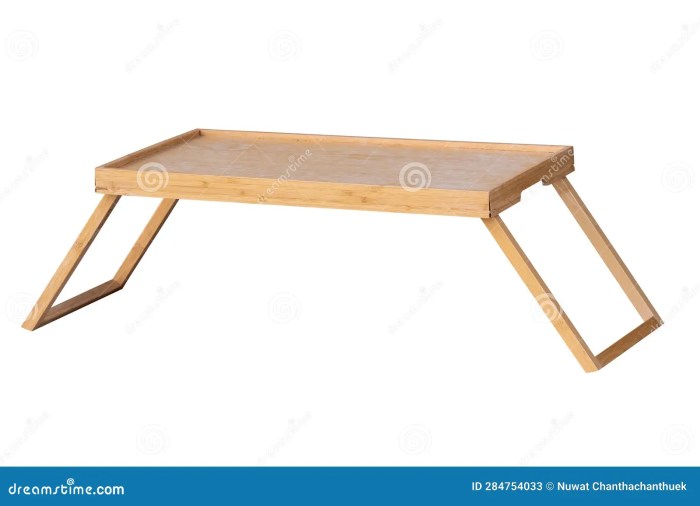
Folding Japanese balcony tables, prized for their space-saving design and aesthetic appeal, compete in a market saturated with various folding table options. Understanding their unique features and how they differ from other folding tables is crucial for consumers seeking the perfect solution for their needs. This comparison examines the strengths and weaknesses of these tables against traditional folding tables, outdoor folding tables, and portable folding tables, highlighting the specific advantages and disadvantages of each.
Distinguishing Features
Japanese balcony tables often incorporate intricate craftsmanship and a focus on minimalist design, frequently featuring a wooden frame with a lacquered finish. These features distinguish them from simpler, mass-produced folding tables. The emphasis on sustainable materials and meticulous construction elevates the quality and longevity of these products.
Comparison Table
| Feature | Japanese Balcony Tables | Traditional Folding Tables | Outdoor Folding Tables | Portable Folding Tables |
|---|---|---|---|---|
| Material | Often wood (e.g., bamboo, maple, cherry) with a lacquered finish; sometimes metal for sturdier models. | Typically made of particle board, plastic laminate, or metal. | Usually made of metal, treated wood, or plastic, often with weather-resistant coatings. | Generally lightweight, often made of aluminum or plastic. |
| Design | Aesthetically driven, often with a focus on minimalism and natural materials; foldable design often integrates seamlessly with Japanese-style décor. | Simple and functional, prioritizing practicality over aesthetic appeal. | Often designed for outdoor use, with features like waterproof coatings and sturdy construction. | Prioritizes portability and ease of use, often with simplified folding mechanisms. |
| Durability | High-quality materials and construction can result in excellent longevity. | Durability varies based on material quality; prone to damage with frequent use. | Built for outdoor use, often with weather-resistant coatings and reinforced joints. | Often lightweight and prone to warping or damage over time if not handled with care. |
| Space-Saving Design | Exceptional space-saving capabilities due to folding mechanism and compact storage. | Offers space-saving features, but typically less compact than Japanese balcony tables. | Can be bulky and may not be ideal for compact spaces. | Exceptional portability and space-saving potential when folded. |
| Aesthetic Appeal | Highly valued for their aesthetic compatibility with Japanese-style interiors. | Often simple and unassuming in appearance. | May feature a more rugged aesthetic or incorporate elements for outdoor environments. | Primarily focused on function over aesthetics. |
Examples of Similar Products
Numerous companies produce folding tables with comparable characteristics. For instance, some manufacturers offer outdoor folding tables with weather-resistant materials, mimicking the durability and weather resistance of Japanese balcony tables. Examples of portable folding tables, designed for portability and lightweight construction, exist. These are often made of aluminum or plastic, contrasting with the wooden construction frequently seen in Japanese balcony tables.
Advantages and Disadvantages
Choosing a Japanese balcony table over other folding tables often comes down to prioritising aesthetic appeal, space-saving design, and durability. Traditional folding tables may be a cost-effective solution, but the durability and aesthetic appeal might not match the Japanese balcony tables. Outdoor folding tables are ideal for outdoor use, while portable folding tables offer excellent portability, though often at the expense of durability.
The advantages and disadvantages of each type should be carefully considered based on individual needs and preferences.
Market Trends and Future Outlook
The market for Japanese balcony tables is experiencing steady growth, driven by increasing demand for space-saving solutions and stylish furniture. As consumer preferences evolve, manufacturers are likely to develop innovative materials and designs that cater to a wider range of aesthetic and functional needs. The sustainability of materials and environmentally friendly manufacturing processes will likely be a critical factor in future market trends.
Closing Summary
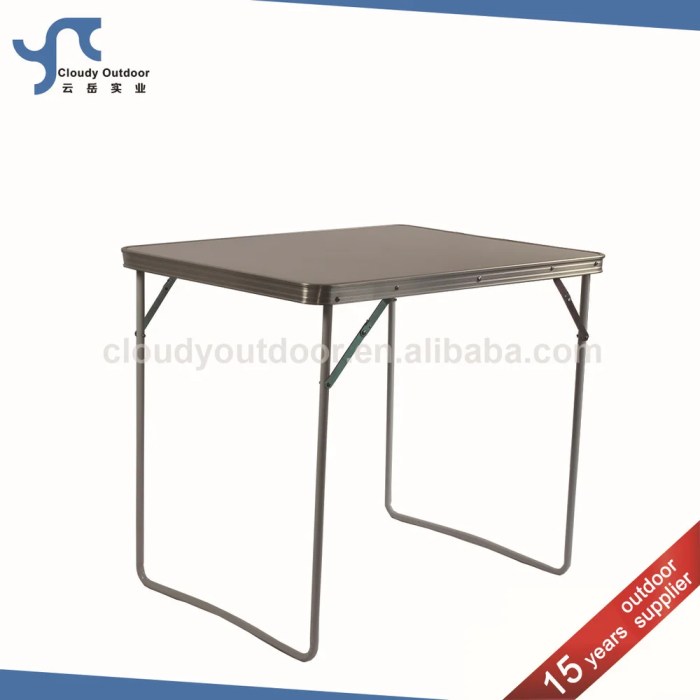
In conclusion, Japanese balcony tables offer a compelling combination of form and function, blending Japanese aesthetics with modern practicality. Their space-saving design, durable construction, and aesthetic appeal make them a compelling choice for enhancing any outdoor living space. This detailed exploration highlights the intricacies of these tables, providing a thorough understanding of their design, construction, and practical applications, ensuring informed decision-making for prospective buyers.
